George C. Scott in front of the flag, in the biography he refused the Oscar for.
An English family through Dunkirk and the Blitz, made to bring America into the war.
Rick, Ilsa, the letters of transit and the most quoted script ever written.
Three veterans come home to the same small town and cannot fit back in.
A commandant's family keeps a tidy garden on the other side of the Auschwitz wall.
The Air Corps officers who believed precision bombing could win a war humanely, and Curtis LeMay burning Tokyo instead.
John Hersey follows six survivors through the day of the bomb; the New Yorker gave it a whole issue.
Shirer, who was there, on Germany from 1933 to 1945 in 1,200 pages.
Viktor Frankl in Auschwitz and the psychology he built from it; those with a why can bear any how.
Fourteen million killed between Hitler and Stalin in Poland, Ukraine and Belarus; Snyder's map of the killing.
A 15-year-old and a tram conductor in 1958 Heidelberg, and her trial years later.
A lie by a 13-year-old in 1935 and Dunkirk; McEwan's best.
Death narrates a girl stealing books in Nazi Germany.
A man learns he came to Wales on the Kindertransport and follows the trail back; Sebald with photographs.
Anne Frank in the Amsterdam annex from 1942 to 1944.
Elie Wiesel at fifteen in Auschwitz and Buchenwald; a hundred pages that changed how the Holocaust is written.
V-2 rockets, a lieutenant whose erections predict strikes and the end of the war; Pynchon's monster.
Billy Pilgrim comes unstuck in time between Dresden and Tralfamadore; so it goes.
Yossarian wants out of the war but only the sane ask, and asking proves you are sane; Heller's loop.
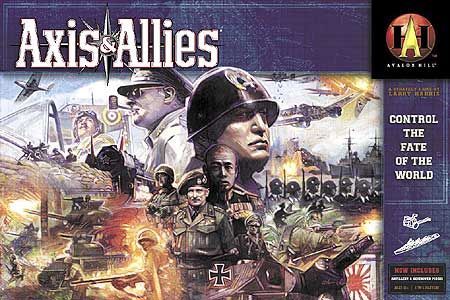
The gateway wargame: the whole of the Second World War on one board.
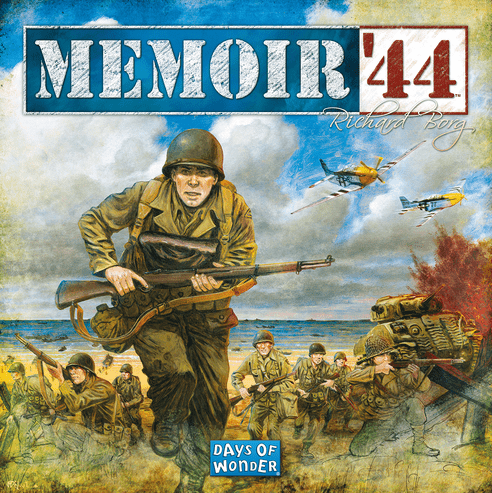
Command cards and blocks over the Normandy hedgerows, in under an hour.
Squad-level Second World War combat with hidden movement.
Occult SS experiments and the castle to escape again, this time on the Quake III engine.
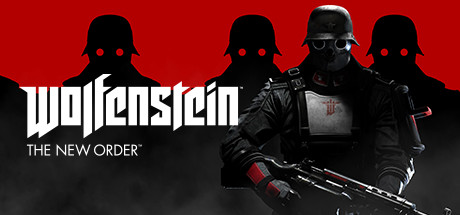
BJ Blazkowicz wakes in a 1960 the Nazis won; MachineGames give the shooter a story worth sitting through.
Late-war technology and alternate ends for the Reich.
Thirty-two players, planes, tanks and Wake Island; the series starts here.
The Pacific and the Eastern Front at their ugliest, and the first Nazi Zombies map.
The 2003 original: three armies through the Second World War, and squads that shout.
El Alamein, Stalingrad and Normandy, with regenerating health for the first time.
The Pacific from above, with a loop-the-loop to dodge; Capcom's 1984 shooter.
Infobox