Gene Kelly in the rain, Donald O'Connor up the walls, and Hollywood's own switch to sound.
Renoir's French officers in a German prison camp in 1916, where class matters more than nation.
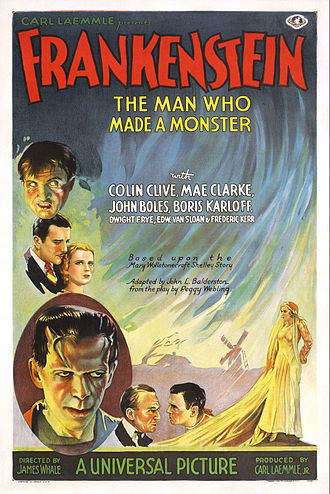
Boris Karloff's flat-headed monster, the first of the Universal horrors.
Whale's camp, sad and better sequel, with the monster learning to speak.
Lang's 1927 city of the future: the Maschinenmensch, the workers below and a look every sci-fi film borrowed.
A dead screenwriter narrates from a pool; Gloria Swanson is ready for her close-up.
Lubitsch's Warsaw actors outwit the Gestapo; a comedy about the Nazis made in 1942.
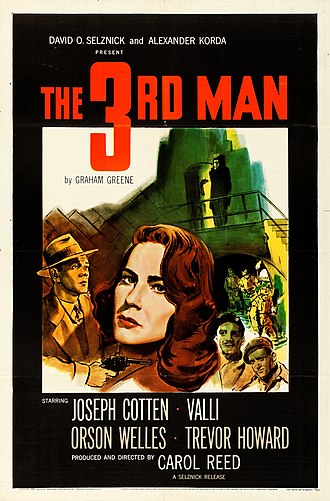
Harry Lime in the sewers of occupied Vienna, the zither theme and the Ferris wheel speech.
Chaplin caught in the gears of a factory, the last stand of the silent comedy.
Bogart and Bacall in a Chandler plot so tangled even the author could not say who killed the chauffeur.
Gary Cooper waits for the noon train alone, in real time, with a town that will not help.
German Expressionism in painted shadows: a somnambulist, a fairground and the first twist ending.
Cocteau's fairy tale with living candelabra arms and a Beast more moving than the prince.
The Tramp and the blind flower girl; the last close-up is the one critics call the greatest in cinema.
Welles at 25: deep focus, a fractured biography and the word 'Rosebud'.
Buster Keaton chases a stolen locomotive through the Civil War, doing every stunt himself.
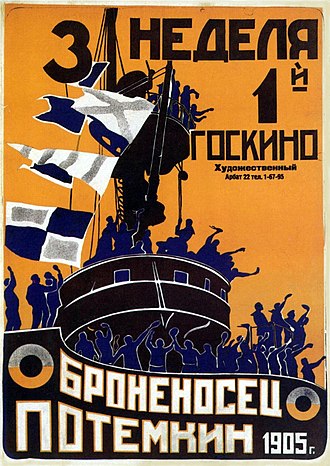
The Odessa Steps sequence, the pram, and the montage theory every editor still learns.
John Wayne becomes a star at the Monument Valley pass; Ford invents the modern western.
Disney's first feature, the film Hollywood called a folly until it earned more than any other.
An insurance salesman and a bored wife plan the perfect murder; Wilder and Chandler write the noir rulebook.
Nuns in a Himalayan palace, and Kathleen Byron in red lipstick; shot entirely in a Surrey studio.
Bogart as Sam Spade and 'the stuff that dreams are made of'; the first film noir.
Ozu's widowed father persuading his daughter to marry, told in tatami-level stillness.
A hunting weekend at a chateau, farce turning to death; Renoir on the France of 1939.
A ballerina torn between art and love, with a 17-minute ballet in Technicolor.
The Marx Brothers run the country of Freedonia into war; the mirror scene.
A potter leaves his family for a ghost in war-torn Japan; Mizoguchi at his most beautiful.
Stop-motion Kong on the Empire State Building; the monster movie that invented the blockbuster.
George Bailey sees the world without him and Bedford Falls at Christmas became a ritual.
Capra's idealist senator filibusters for 23 hours against a corrupt machine.
Infobox