Worms in real time and in two dimensions: two players, one keyboard, forty weapons and no turns at all.
Tiny players, a whole football world and as many seasons of management as you want.
Rows of aliens that speed up as you kill them; the game that caused a coin shortage in Japan.
Four ghosts, a maze and 256 levels before the kill screen; the 1980 arcade icon.
True 3D, brown corridors, a Nine Inch Nails soundtrack and the birth of deathmatch.
The 1997 sequel: the ninja rope, the Holy Hand Grenade and a level editor to draw your own island.
The 1987 original that saved Square: four Light Warriors, a job you pick at the start and a time loop at the end.
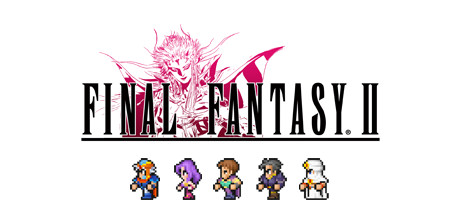
The job system proper, twenty-three classes swapped at will, and the last of the trilogy that never left Japan for years.
A beat-em-up set in Gdynia with a broken bottle as a weapon; the most Polish game ever released.
One city, two alien factions and a real-time mode; the last X-COM the original team made.
The best DOS shoot-em-up: a shop between missions, a story told in text screens, and art that still looks sharp.
One hundred and forty-nine tile puzzles with a fixed camera and a chip count; the Windows Entertainment Pack in one game.
Cut the playing field into pieces without letting the bouncing balls touch your line; four kilobytes of it.
Raven build a fantasy Doom with an inventory, an elvish wand and the ability to look up.
Epic MegaGames answer Sonic with a rabbit, a gun and parallax scrolling nobody thought a PC could do.
The 1986 game that invented the Japanese role-playing game: one hero, one slime at a time.
The first Polish adventure game: a journalist, a stolen statuette and 1993 EGA graphics drawn by hand.
Kyle Katarn steals the Death Star plans in a Doom-era shooter with levels you can look up and down in.
Dig for diamonds, keep the boulders above you where they are, and get out before the wall closes.
No experience points - your stats grow from what you do - and the first game in the series with a real story.
Twelve tables, one soundtrack by Robert Prince, and a ball that behaves like a ball; the Android table is the one everyone remembers.
Ski down an endless slope until the yeti eats you, because the yeti always eats you.
Robot fighting with a pilot who levels up between bouts; the shareware Street Fighter of the DOS years.
Three classes, hub levels you walk back through, and puzzle switches instead of coloured keys.
Bomberman on the Amiga and DOS, and the four-player mode that ruined friendships in one afternoon.
The real Japanese Super Mario Bros. 2: the same engine, poison mushrooms and wind, and far harder.
Rotoscoped animation, a rifle and a memory-wiped agent on Titan; the French answer to Another World.
An Atari puzzle game about a robot pushing crates and dodging lasers, still being remade forty years on.
The 1989 Game Boy launch platformer: twelve levels, two shoot-em-up stages and a princess who is not Peach.
Bounce a character up a tower that has no top, chaining multi-floor combos while the floors scroll faster; Swedish freeware from 2001 that lived on school computers.
Infobox