Rossellini shot on the streets months after the Germans left; neorealism begins here.
Bogart and Bacall in a Chandler plot so tangled even the author could not say who killed the chauffeur.
A married woman and a doctor meet in a railway tea room; the most restrained love story ever filmed.
Lubitsch's Warsaw actors outwit the Gestapo; a comedy about the Nazis made in 1942.
An insurance salesman and a bored wife plan the perfect murder; Wilder and Chandler write the noir rulebook.
Bogart as Sam Spade and 'the stuff that dreams are made of'; the first film noir.
Welles at 25: deep focus, a fractured biography and the word 'Rosebud'.
John Wayne becomes a star at the Monument Valley pass; Ford invents the modern western.
Capra's idealist senator filibusters for 23 hours against a corrupt machine.
Kansas in sepia, Oz in Technicolor, and the ruby slippers.
Disney's first feature, the film Hollywood called a folly until it earned more than any other.
A hunting weekend at a chateau, farce turning to death; Renoir on the France of 1939.
Renoir's French officers in a German prison camp in 1916, where class matters more than nation.
Whale's camp, sad and better sequel, with the monster learning to speak.
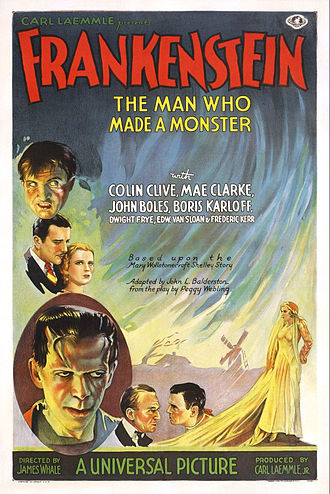
Boris Karloff's flat-headed monster, the first of the Universal horrors.
Stop-motion Kong on the Empire State Building; the monster movie that invented the blockbuster.
The Marx Brothers run the country of Freedonia into war; the mirror scene.
Chaplin caught in the gears of a factory, the last stand of the silent comedy.
The Tramp and the blind flower girl; the last close-up is the one critics call the greatest in cinema.
Peter Lorre as a child murderer hunted by the police and the underworld; Lang's first sound film.
Vertov's day in a Soviet city, made of split screens, freeze frames and no story at all.
Dreyer's trial in close-up, with a performance from Renee Falconetti that has never been matched.
A farmer plans to drown his wife and falls back in love with her in the city; Murnau in Hollywood.
Lang's 1927 city of the future: the Maschinenmensch, the workers below and a look every sci-fi film borrowed.
Buster Keaton chases a stolen locomotive through the Civil War, doing every stunt himself.
Chaplin eats his boot and dances with bread rolls in the Klondike.
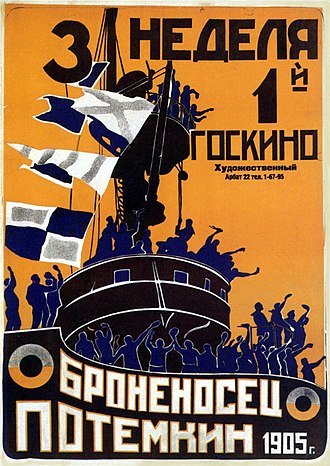
The Odessa Steps sequence, the pram, and the montage theory every editor still learns.
Murnau's unauthorised Dracula, with Max Schreck's rat-faced count climbing the stairs in shadow.
German Expressionism in painted shadows: a somnambulist, a fairground and the first twist ending.
Woody, a fork named Forky, and a goodbye the series had been building to.
Infobox