Dig down in a mining pod, sell ore, upgrade the drill, and go deeper than your fuel allows exactly once.
A ninja with too much momentum, ninety seconds a level, and physics that make every death your own fault.
Draw a line, watch a sledge ride it, and lose an evening building a track that lands the jump.
An Atari puzzle game about a robot pushing crates and dodging lasers, still being remade forty years on.
A beat-em-up set in Gdynia with a broken bottle as a weapon; the most Polish game ever released.
The first Polish adventure game: a journalist, a stolen statuette and 1993 EGA graphics drawn by hand.
A point-and-click made in Krakow: a teenager recruited as a secret agent, and one of the few adventure games with a Polish sense of humour that translated.
A Polish turn-based tactical horror game in a Silesian town that NATO would rather nobody looked at.
Bomberman on the Amiga and DOS, and the four-player mode that ruined friendships in one afternoon.
Cut the playing field into pieces without letting the bouncing balls touch your line; four kilobytes of it.
Dig for diamonds, keep the boulders above you where they are, and get out before the wall closes.
Rotoscoped animation, a rifle and a memory-wiped agent on Titan; the French answer to Another World.
Three classes, hub levels you walk back through, and puzzle switches instead of coloured keys.
Raven build a fantasy Doom with an inventory, an elvish wand and the ability to look up.
Ski down an endless slope until the yeti eats you, because the yeti always eats you.
One hundred and forty-nine tile puzzles with a fixed camera and a chip count; the Windows Entertainment Pack in one game.
Twelve tables, one soundtrack by Robert Prince, and a ball that behaves like a ball; the Android table is the one everyone remembers.
Robot fighting with a pilot who levels up between bouts; the shareware Street Fighter of the DOS years.
Epic MegaGames answer Sonic with a rabbit, a gun and parallax scrolling nobody thought a PC could do.
The best DOS shoot-em-up: a shop between missions, a story told in text screens, and art that still looks sharp.
A metroidvania one man drew, coded and scored over five years and then gave away; the game that made indie mean something.
A 2D side-scrolling shooter with rag-doll physics and a jetpack, written by one Pole and played in every Polish internet cafe.
Three named alien hunters who remember your fights, plus three resistance factions to answer them.
One city, two alien factions and a real-time mode; the last X-COM the original team made.
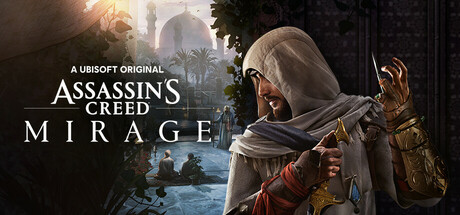
Back to Baghdad in 861 and to the shape of the first game: one city, social stealth, no map full of icons.
Ulysses finally explains why he has been following you, at the end of the Divide.
Zion Canyon, a Mormon missionary and the Burned Man everyone in the Mojave talks about.
The Sierra Madre casino, a bomb collar and three companions you should not trust; the DLC people argue about.
The last of the main run: a court intrigue in the Queendom of Falena, and the closest the series came to Suikoden II.
The Trinity Sight system: the same war told three times, from three sides, before they converge.
Infobox