Three selectable fighting styles per character over a roster in the thirties; the last of the 2D Alphas.
Ryu tours ten fighters in 1987, on a cabinet whose two pressure pads read how hard you hit them.
Walls and uneven ground in the arenas, which the players disliked enough that Tekken 5 flattened them again.
Heihachi comes back and drops Kazuya into a volcano; the first Tekken people kept playing at home.
The series turns to polygons in 1997, with a weapon each fighter can draw, drop and lose.
A run button, dial-a-combo chains and no ninjas, which Ultimate Mortal Kombat 3 put back the same year.
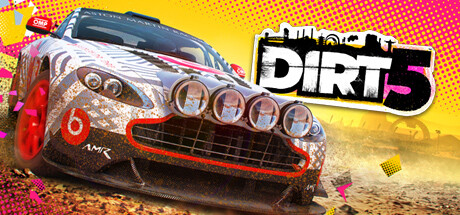
A launch title for the PlayStation 5 and Xbox Series X, with a career mode narrated by Troy Baker and Nolan North.
Gymkhana in an empty Battersea Power Station, and the first in the series with the McRae name off the box.
The first made after McRae died in 2007; Codemasters dedicate the game to him and build a tournament in his name.
Jet skis on water that swells and settles; the N64 physics people still boot the console up for.
Licensed road cars with Mario Kart weapons bolted on; Bizarre Creations firing mines out of a Ford Focus.
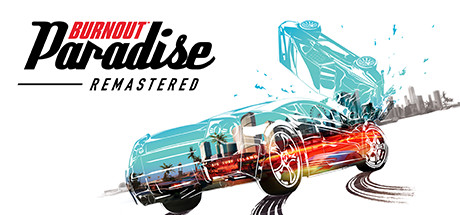
An open Paradise City with no menus between events, and a rival to take down at every junction.
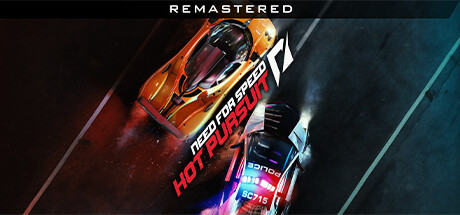
Street races across a night-time Los Angeles you can cross end to end without a loading screen.
An Italian answer to Sega Rally on a 486, running in software before anyone had a 3D card.
Criterion take the wheel: Seacrest County, EMP blasts and an Autolog that posts your friends times.
Shao Kahn, better fatalities and the arcade cabinet everyone crowded.
Jumps that clear a city block and shortcuts hidden off every corner; Atari Games in the arcade and on the N64.
The arcade-perfect one, and the last before the series went online.
Sega polygons in 1992, with a button to switch camera mid-race; the board that led to Daytona.
Trigger a stadium collapse in front of the car behind you; racing built as a television show.
Pick up fares and drop them at the door before the meter runs out, to a soundtrack of The Offspring.
Cars with wheels taller than the body, so they keep going upside down; Psygnosis at the end of the PlayStation.
Qualify for a grid slot, then race the clock at Fuji; the 1982 cabinet that put the road behind the car.
Desert, forest and mountain, each surface changing how the car sits; the 1995 arcade cabinet with the wheel.
One track learned by heart and a drift held on the brake; the PlayStation launch game that loaded into RAM.
Kudos points for driving with style through Yokohama, Sydney and Edinburgh, on a soundtrack you rip yourself.
Eddy Gordo, Jin Kazama and the arcade fighter of the PlayStation era.
Parries, hand-drawn animation and the greatest comeback in fighting-game history.
A pedal to duck behind cover and a light gun; the arcade shooter with a foot pedal.
Stunt tracks in an editor, restarted a thousand times to shave a hundredth; Nadeo's speedrun racer.
Infobox