Infobox
Explore the Hindu Kush peaks, Silk Road citadels, and resilient traditions of Afghanistan
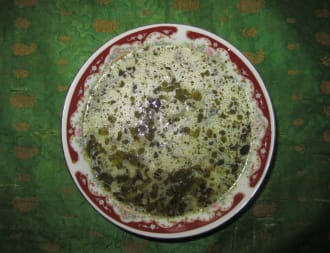
Enjoy a traditional Persian soup called Ash (Aush, Aash), known for its rich flavors and nutritious ingredients
Visit Kabul, the capital of Afghanistan. Explore the historic Babur Gardens (a restored 16th-century Mughal garden with terraced lawns and a tomb of Emperor Babur), see the National Museum of Afghanistan (home to artifacts like the Bactrian Gold and Buddhist relics), and wander through the bustling Chicken Street (a traditional market known for carpets, antiques, and local crafts).
Visit Mazar-i-Sharif, a major city in northern Afghanistan known for its cultural and religious significance. Explore the Blue Mosque (a stunning 15th-century shrine with intricate tilework and a large courtyard), see the ancient Balkh ruins (once a center of Zoroastrianism and Buddhism), and experience the Nowruz festival (celebrated with traditional music and kite-flying).
Visit Herat, Afghanistan's third-largest city and historic cultural center. Explore the Herat Citadel (Qala Ikhtyaruddin), a restored 14th-century fortress with panoramic views, see the intricate tilework of the Friday Mosque (Masjid-i Jami), one of the oldest mosques in the country, and wander through the bustling Herat Bazaar for traditional crafts and carpets. Discover the Musalla Complex with its minarets and mausoleums, remnants of the Timurid Empire's architectural legacy.
Visit Kandahar, Afghanistan's second-largest city and a historic center of Pashtun culture. Explore the Old City's mud-brick architecture and the 18th-century Shrine of the Cloak (housing a relic believed to be Prophet Muhammad's cloak). See the Kandahar Museum (featuring artifacts from the region's ancient Buddhist and Islamic periods) and visit the Arghandab River valley (known for its pomegranate orchards and agricultural significance).
Visit Bamyan, a historic city in Afghanistan known for its ancient Buddhist heritage and the famous Buddha statues that were destroyed in 2001.